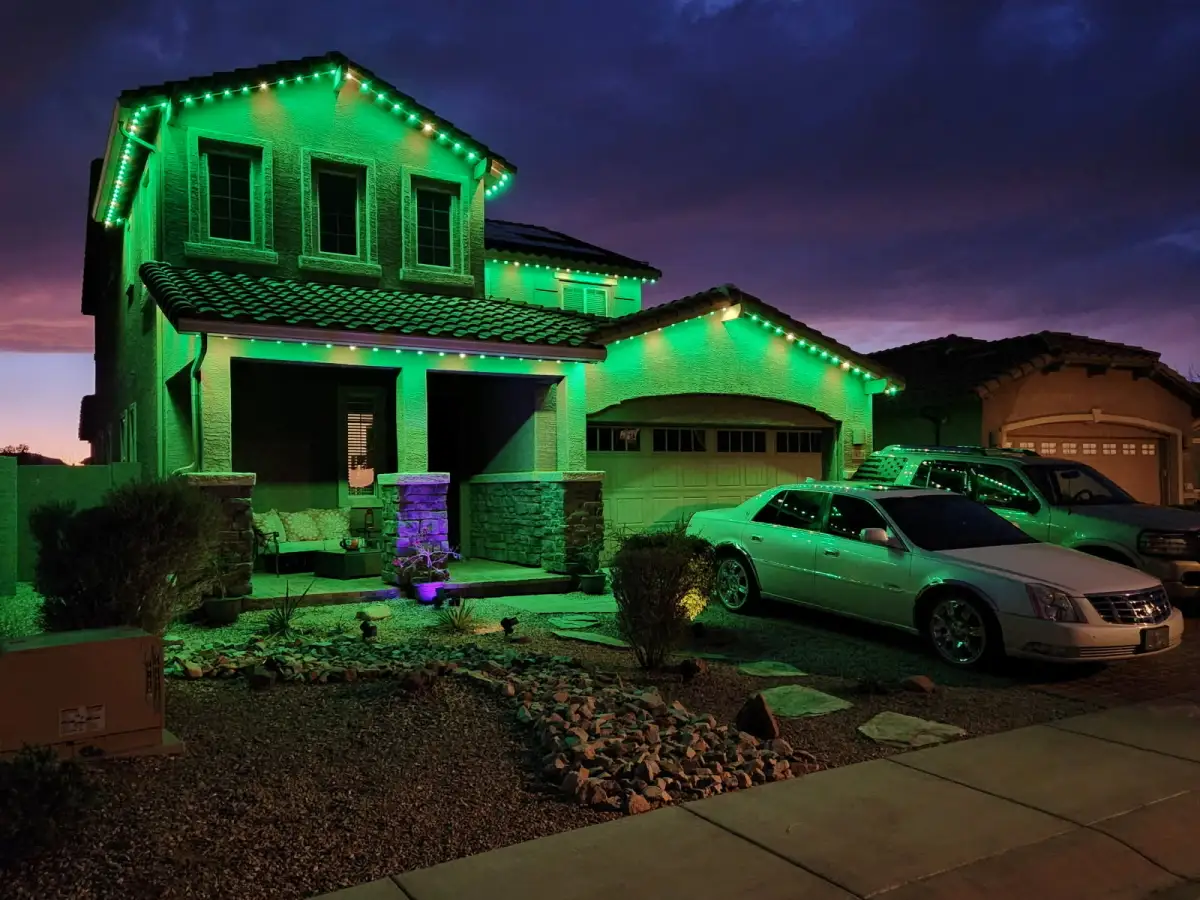
LED Lighting Benefits for Omaha Homeowners
Discover why Omaha homeowners are switching to LED lighting. From energy savings and longer lifespan to better curb appeal, learn how LED technology
Omaha homeowners are making the switch to LED lighting faster than almost any other metro in the Midwest. Between rising energy costs from OPPD, Nebraska extreme seasonal temperatures, and a growing interest in smart home technology, LED lighting has gone from a nice upgrade to a must-have for homes across the Omaha metro area.
Whether you are considering permanent LED roofline lighting, upgrading your interior fixtures, or adding landscape lighting to your yard, this guide covers every benefit you need to know before making the investment.
Why LED Lighting Makes Sense in Omaha
Omaha sits in a unique climate zone. Winter temperatures regularly dip below zero, summer highs push past 100 degrees, and severe thunderstorms roll through several times a year. Traditional incandescent and halogen bulbs struggle under these conditions. They burn out faster in cold weather, generate excessive heat in summer, and require frequent replacement after storms shake fixtures loose.
LED technology was designed to handle exactly these challenges. Modern LED systems operate efficiently from -40 degrees to over 120 degrees Fahrenheit, which means they perform reliably through every Nebraska season without the burnout issues that plague older lighting technology.
Beyond weather resilience, Omaha homeowners face practical realities that make LEDs the clear winner. OPPD electricity rates have increased steadily over the past decade, and every watt you save on lighting goes directly back into your household budget. When you multiply those savings across every light in your home and across your outdoor spaces, the numbers add up fast.
Energy Savings That Actually Matter
The single biggest reason Omaha homeowners switch to LED lighting is energy savings. The numbers are not abstract. They show up on your OPPD bill every single month.
How Much Energy Do LEDs Save?
A standard 60-watt incandescent bulb produces about 800 lumens of light. An LED bulb produces the same 800 lumens using only 8 to 10 watts. That is an 85 percent reduction in energy consumption for the same amount of light.
Here is what that looks like for a typical Omaha home:
- Interior lighting (20 bulbs, 5 hours/day): Switching from incandescent to LED saves approximately $150 to $200 per year
- Outdoor landscape lighting (10 fixtures, 6 hours/day): LED saves roughly $80 to $120 per year versus halogen
- Permanent roofline lighting (running 4 hours/day): LED systems use less electricity per month than a single traditional floodlight
For a home in West Omaha or Elkhorn that runs both interior and exterior LED lighting, annual energy savings typically range from $250 to $400 compared to traditional bulbs. Over the 20-plus year lifespan of quality LED systems, that adds up to $5,000 to $8,000 in savings.
OPPD Rate Considerations
OPPD currently charges residential customers based on tiered usage rates. The more electricity you use, the higher your per-kilowatt-hour rate climbs. LED lighting helps keep your usage in the lower tiers, which means you save on the watts the lights use, and on the lower rate that then applies to the rest of your electricity use.
Lifespan: Install Once, Forget About It
One of the most underappreciated benefits of LED lighting is how long the bulbs last. Quality LED bulbs and systems are rated for 50,000 hours or more. At typical residential usage of 4 to 6 hours per day, that works out to over 20 years of service life.
Compare that to the alternatives:
- Incandescent bulbs: 1,000 hours (about 6 months of daily use)
- CFL bulbs: 8,000 to 10,000 hours (about 3 to 4 years)
- Halogen bulbs: 2,000 to 4,000 hours (about 1 to 2 years)
- LED bulbs: 50,000+ hours (20+ years)
For Omaha homeowners, this means dramatically fewer trips up the ladder to replace burned-out outdoor flood lights, fewer bulbs to buy at Home Depot or Menards, and less hassle maintaining your home lighting overall.
Permanent LED roofline systems take this even further. Once installed on your fascia, a quality permanent LED system requires virtually zero maintenance. There are no bulbs to swap, no strings to untangle, and no ladders to climb. The system simply works, year after year, through Nebraska blizzards and summer heat waves alike.
Related Articles
Landscape Lighting in Omaha, NE: A Complete Spring Planning Guide
Landscape lighting in Omaha, NE transforms yards, driveways, and outdoor spaces before the spring rush begins. Learn what to plan, what to install, and what it costs.
Permanent Lighting for Omaha Businesses: Restaurants, Storefronts & More
How Omaha businesses use permanent LED lighting to attract customers, strengthen branding, and improve safety. Commercial lighting ideas for restaurants, retail, and more.
The Omaha Homeowner's Checklist for Hiring a Permanent Outdoor Lighting Company
Ready for an Omaha Roofline Lighting Estimate?
Call TruLight Omaha for a measured roofline estimate.
(402) 704-8151