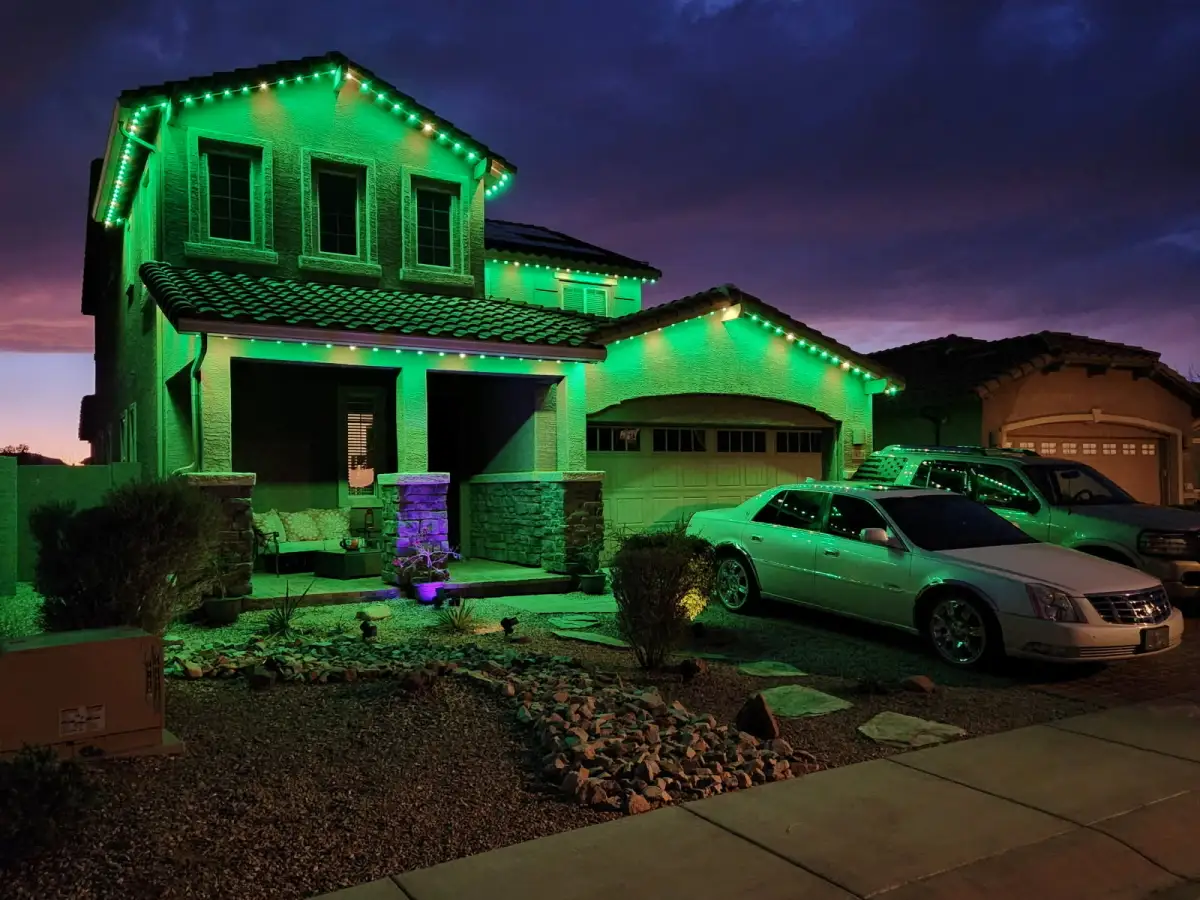
Landscape Lighting in Omaha, NE: A Complete Spring Planning Guide
Landscape lighting in Omaha, NE transforms yards, driveways, and outdoor spaces before the spring rush begins. Learn what to plan, what to install, and
Landscape Lighting in Omaha, NE: A Complete Spring Planning Guide
Landscape lighting in Omaha, NE is one of the highest-return upgrades a homeowner can make - and March is exactly the right time to plan it. The ground is softening, the spring project calendar is filling up, and installation crews book out fast once April arrives. If you want your yard illuminated before the first warm evenings of the year, the planning window is open right now.
Omaha’s spring season is brief and competitive. Whether you are envisioning a lit pathway from your driveway to the front door, uplighted trees along your fence line, or a fully layered backyard lighting design, Trulight Omaha can design and install a permanent LED system built to handle Nebraska’s full range of weather - from the 100-degree July heat to the ice storms of February.
This guide covers everything you need to know: what landscape lighting includes, what it costs in the Omaha metro, which areas of your property deliver the most return, and how to avoid the mistakes that send homeowners back to square one every other year.
What Is Landscape Lighting?
Landscape lighting refers to permanently installed, low-voltage or LED lighting placed throughout your yard, garden, driveway, walkways, and outdoor living areas. Unlike temporary string lights or seasonal holiday displays, landscape lighting is designed to work every single night of the year.
Modern landscape lighting systems use LED technology, which means:
- Dramatically lower energy consumption than older halogen or incandescent fixtures
- Lifespan of 50,000 hours or more per LED module
- Smart app control for color, brightness, scheduling, and zones
- Weather resistance rated for the temperature swings and storm conditions common across the Omaha metro
The result is an exterior that looks professionally designed every evening - without the annual hassle of setup, takedown, or replacement.
Why March Is the Right Month to Plan Landscape Lighting in Omaha
Spring is the busiest season for outdoor projects in Nebraska. Landscapers, deck builders, fencing crews, and lighting installers all see backlogs form quickly once the weather stabilizes. Homeowners who start conversations in March consistently get better scheduling windows and more time to coordinate with other spring projects.
Coordinate With Landscaping and Hardscaping
If you are adding garden beds, a new patio, a walkway, or a retaining wall this spring, your landscape lighting should be planned at the same time - not after the fact. Wiring is far easier to run before hardscape is laid or beds are planted. Planning now means you avoid tearing things up twice.
Use the Off-Season to Make Decisions
You are not rushing when you plan in March. You have time to look at examples, discuss options, and settle on a design that genuinely fits your home rather than accepting whatever fits someone’s installation schedule in May.
First Impressions Start in Spring
After a Nebraska winter, yards re-emerge alongside neighborhood attention. Spring evenings - when neighbors walk, families are outside, and buyers tour homes - are prime time for curb appeal. A landscape lighting system installed by late April or early May puts your property at its best precisely when it matters most.
Types of Landscape Lighting for Omaha Homes
Pathway and Walkway Lighting
Pathway lighting is the most universally practical landscape lighting option. LED bollards or in-ground fixtures along a walkway provide:
- Safety on steps and grade changes
- Guidance for guests arriving after dark
- A defined visual frame for your entrance
In Omaha homes, pathway lighting is especially valuable in winter when snow obscures edges and icy patches are invisible until someone slips.
Tree and Shrub Uplighting
Uplighting positions a focused LED fixture at the base of a tree or large shrub, directing light upward. The result is dramatic - mature trees become architectural features at night rather than shadows. In Omaha neighborhoods with large oaks, maples, or evergreens, uplighting makes a year-round visual statement.
Color temperature matters here. Warm white (2700K-3000K) flatters deciduous trees in spring and summer; cool white (4000K) gives evergreens a crisp, clean look in winter.
Garden Bed and Border Lighting
Low-profile LED fixtures along garden bed edges define your plantings after dark and prevent the flat, invisible appearance that most yards have at night. Accent lighting aimed at specific plants - flowering shrubs, ornamental grasses, raised planters - keeps your landscaping investment visible during evening hours.
Driveway and Entry Lighting
Driveway lighting frames your approach from the street to your home. Options include:
- Bollard lights spaced along the driveway edge
- In-ground markers at key intervals
- Pillar-mounted fixtures at a gated or columned entry
- Accent lighting along foundation plantings flanking the driveway
Well-designed driveway lighting is one of the most effective first-impression upgrades for Omaha homes.
Fence and Property Line Lighting
LED strip lighting or individual fixtures along fence lines creates a boundary glow that adds depth and dimension to your property. This works especially well for privacy fences, where the lighting creates a warm backdrop for your yard rather than a dark wall.
Deck, Patio, and Pergola Lighting
These outdoor living areas deserve their own lighting treatment. Under-railing LEDs, post cap lights, pergola beam accents, and step lighting extend the usability of your outdoor space well past sunset. In a city like Omaha where spring and fall evenings are perfect for outdoor entertaining, this addition pays for itself in the quality of outdoor time it creates.
Landscape Lighting Cost in Omaha, NE
Pricing for landscape lighting in the Omaha metro depends on scope, system quality, and the complexity of your property. Here is a general range for the most common project types:
| Project Type | Estimated Cost Range |
|---|---|
| Basic pathway lighting (front walk) | $800 - $1,800 |
| Tree and shrub uplighting (5-8 fixtures) | $1,200 - $2,500 |
| Full front yard landscape package | $2,500 - $5,000 |
| Backyard patio and garden lighting | $2,000 - $4,500 |
| Comprehensive front and backyard system | $5,000 - $12,000+ |
These are one-time costs. Unlike temporary or seasonal lighting that requires annual labor and replacement bulbs, a permanent LED landscape system requires virtually no ongoing maintenance. Most LED modules carry a 50,000-hour rating - that is over 13 years of nightly use before replacement is needed.
What Drives Cost Up or Down
Home size and linear footage is the largest variable. A modest ranch with a simple front walk costs less than a two-story with a large lot, multiple garden zones, and a long driveway.
System quality matters. Lower-cost fixtures can be purchased through big-box retailers, but professional-grade systems are weather-sealed, color-calibrated, and app-integrated at a level that off-the-shelf options cannot match.
Installation complexity covers access, conduit routing, transformer placement, and zone planning. Properties with mature landscaping, existing hardscape, or unusual grade changes take more labor.
Smart controls and zoning add upfront cost but add long-term convenience. Being able to run your backyard lights separately from your front yard, schedule sunrise and sunset switching automatically, and change colors from your phone makes the system genuinely useful rather than just decorative.
Landscape Lighting Design: Key Principles
Layer Your Lighting
The most effective landscape lighting combines multiple layers: ambient (overall illumination), accent (highlighting specific features), and task (functional safety lighting). A flat system with just one type of fixture looks underwhelming. A layered system looks like professional landscape design.
Use Restraint
More fixtures do not always mean better results. Experienced designers know that targeted light - a tree well uplighted here, a pathway edge defined there - creates more impact than flooding every surface. A good design feels natural, not like a parking lot.
Match Color Temperature to Plant Palette
Warm white (2700K) flatters red, orange, and purple blooms as well as warm-toned brick and stone. Cool white or daylight (4000K+) suits contemporary homes with grey, white, or silver tones. Getting this wrong makes expensive plantings look off under artificial light.
Plan for Seasons
Omaha landscapes change dramatically through the year. A design should account for deciduous trees losing their leaves in fall, snow accumulation in winter, and the different heights and densities of plantings through spring and summer. Fixture placement that works in July should not become obstructed or irrelevant in January.
Landscape Lighting vs. Permanent Roofline LED Lighting
Many Omaha homeowners ask about the difference between landscape lighting and the permanent LED roofline systems Trulight Omaha installs for holiday and accent use. The short answer: they are complementary, not competing.
| Feature | Landscape Lighting | Roofline LED System |
|---|---|---|
| Primary function | Illuminate yard, gardens, paths | Accent roofline, holiday color display |
| Light direction | Ground-level, upward, or horizontal | Along fascia, soffits, roofline edges |
| Color options | White, warm white, or RGBW | 16 million colors, fully programmable |
| Best for | Curb appeal, safety, garden accents | Holidays, events, nightly architectural accent |
| Installation | Outdoor fixtures, wired to transformer | Aluminum track with LED modules |
Many Trulight Omaha customers install both systems - a landscape lighting package for the yard and a permanent LED roofline system for the house itself. Together, they create a fully lit exterior that is as striking as any home on the block.
Frequently Asked Questions About Landscape Lighting in Omaha
How long does landscape lighting installation take?
Most residential landscape lighting projects are completed in one to two days. Larger properties with extensive bed work, long driveways, or multiple zones may take up to three days. Trulight Omaha provides a clear timeline at the time of your estimate.
Will landscape lighting hold up through Omaha winters?
Yes. Professional-grade LED landscape fixtures are rated for the full range of Nebraska weather - including sub-zero temperatures, freeze-thaw cycles, snow load, and summer heat. The fixtures we install are IP-rated for full outdoor exposure and do not require seasonal removal.
Can I add landscape lighting to an existing yard without tearing up hardscape?
In most cases, yes. Low-voltage wiring can often be routed along bed edges, under mulch, or through conduit along hard surfaces without significant disruption. We assess your specific property during the free consultation to confirm the cleanest installation path.
Do I need a permit for landscape lighting in Omaha?
Low-voltage landscape lighting typically does not require a permit in the Omaha metro. Systems that connect to line voltage (120V) may have different requirements. Trulight Omaha handles all necessary compliance as part of the installation process.
How much does it cost to run landscape lighting nightly?
LED fixtures are extremely efficient. A typical residential landscape lighting system running four to five hours per evening costs an estimated $5 to $15 per month in electricity - far less than the equivalent in older halogen or incandescent fixtures.
Planning Your Landscape Lighting Project in Omaha
The best landscape lighting starts with a conversation about how you use your yard and what you want to feel when you pull into the driveway at night.
At Trulight Omaha, we provide free on-site consultations for landscape lighting throughout the Omaha metro, including Elkhorn, Papillion, La Vista, Gretna, and Bellevue. We walk your property, discuss your vision, and build a design and quote tailored to your home - not a generic package.
Spring installation slots fill quickly. If you are planning a landscape lighting project for this year, the time to schedule a consultation is now.
Get a free landscape lighting quote at trulightomaha.com or call (402) 704-8151.
Related Reading:
- Patio and Outdoor LED Lighting in Omaha
- Permanent LED Lighting Cost in Omaha
- Outdoor and Patio LED Lighting Services
Related Articles
Permanent Lighting for Omaha Businesses: Restaurants, Storefronts & More
How Omaha businesses use permanent LED lighting to attract customers, strengthen branding, and improve safety. Commercial lighting ideas for restaurants, retail, and more.
How Permanent LED Lights Increase Home Value in Omaha
Discover how permanent LED lighting boosts your Omaha home's value through curb appeal, energy efficiency, and buyer desirability. Real numbers and ROI analysis.
LED Lighting Benefits for Omaha Homeowners
Discover why Omaha homeowners are switching to LED lighting. From energy savings and longer lifespan to better curb appeal, learn how LED technology transforms your home inside and out.
Ready for an Omaha Roofline Lighting Estimate?
Call TruLight Omaha for a measured roofline estimate.
(402) 704-8151